Frequently Asked Questions
How does brush removal reduce wildfire risk?
Brush removal eliminates dense vegetation and dead plant material that act as fire fuel, creating defensible space around structures. At Timmerman Tree Service, we use hand-clearing and mechanical methods to reduce fuel loads in Shingle Springs' wildfire-prone zones, helping protect homes and meet CAL FIRE guidelines.When should you schedule tree trimming in Shingle Springs?
Trimming is best done before seasonal windstorms and during dormant periods to prevent breakage and improve tree health. In Shingle Springs, late fall through early spring is ideal for most species, balancing fire-risk reduction with healthy growth patterns.What affects the cost of hazardous tree removal?
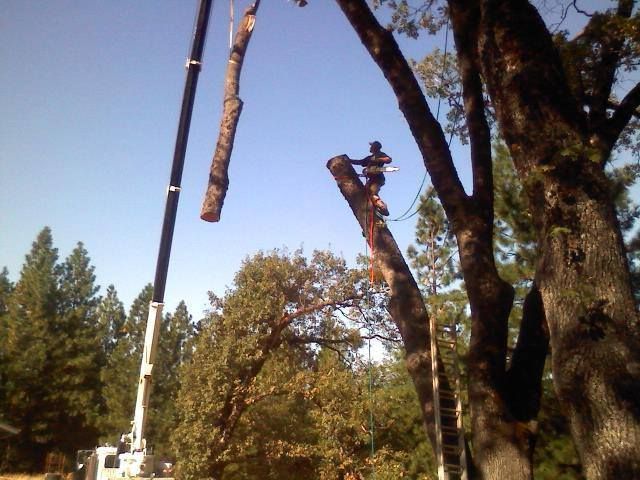
Cost depends on tree size, lean angle, proximity to structures, and access difficulty. Trees near fences or on slopes require controlled rigging and specialized equipment. At Timmerman Tree Service, we assess each hazardous tree individually to ensure safe, efficient removal tailored to Shingle Springs' terrain.What's the difference between stump grinding and full removal?
Grinding reduces the stump below grade using a powerful grinder, while full removal excavates roots entirely. Grinding is faster and less disruptive, ideal for most residential yards. At Timmerman Tree Service, we adapt grinding depth based on Shingle Springs' rocky soils and your site plans.What are the benefits of tree shaping and balancing?
Shaping improves tree symmetry, reduces weight on heavy limbs, and promotes healthy long-term growth. It also maintains clearance from roofs and driveways. At Timmerman Tree Service, we use species-specific trimming methods suited to Shingle Springs' climate for safer, more attractive trees.How do you prepare for a land clearing project?
Mark boundaries, remove obstacles like debris or equipment, and identify trees or features to preserve. Clear communication about project goals helps ensure efficient clearing. At Timmerman Tree Service, we use tractors and clearing attachments designed for Shingle Springs' uneven, wooded terrain.Does tree trimming work well in Shingle Springs' climate?
Yes, trimming is essential in Shingle Springs due to seasonal winds, heat, and fire risk. Strategic canopy reduction and thinning prevent breakage, improve airflow, and reduce fuel loads. Local understanding of species behavior and weather patterns ensures effective, climate-appropriate trimming.What's the biggest mistake people make with fire prevention?
Waiting until fire season to clear brush and ladder fuels near structures. Defensible space requires year-round maintenance, especially in Shingle Springs' wildfire-prone foothill terrain. At Timmerman Tree Service, we recommend proactive brush management aligned with CAL FIRE guidelines to protect homes and meet insurance requirements.How quickly can storm damage cleanup be done?
Emergency crews respond quickly to clear fallen trees, broken limbs, and debris after severe weather. At Timmerman Tree Service, we prioritize restoring access and safety, familiar with Shingle Springs' seasonal storm patterns. Cleanup includes hauling, chipping, and removing dangerous hangers.What equipment is used for tractor services?
Tractors with clearing attachments, grading blades, and hauling capacity handle vegetation removal, light grading, and site prep. At Timmerman Tree Service, our equipment navigates Shingle Springs' varied terrain efficiently, supporting land clearing, brush management, and property maintenance on rural and acreage lots.Can brush removal improve property appearance?
Yes, removing overgrowth and dead vegetation opens up usable space, reduces pests, and keeps access paths clear. At Timmerman Tree Service, we provide full cleanup and debris disposal, leaving Shingle Springs properties finished and ready to use with improved curb appeal.Why is defensible space important for homes in Shingle Springs?
Defensible space creates a buffer zone that slows wildfire spread and protects structures by reducing fire-fuel loads. Shingle Springs sits in wildfire-prone foothill terrain, making strategic vegetation spacing and brush clearance critical. At Timmerman Tree Service, we align work with local fire-risk conditions and safety guidelines.